
How the Floral Industry Survives Slowdowns — and Why Your Shop Must Be Ready
Lessons from Art Conforti on thriving through uncertainty and turning challenges into opportunity
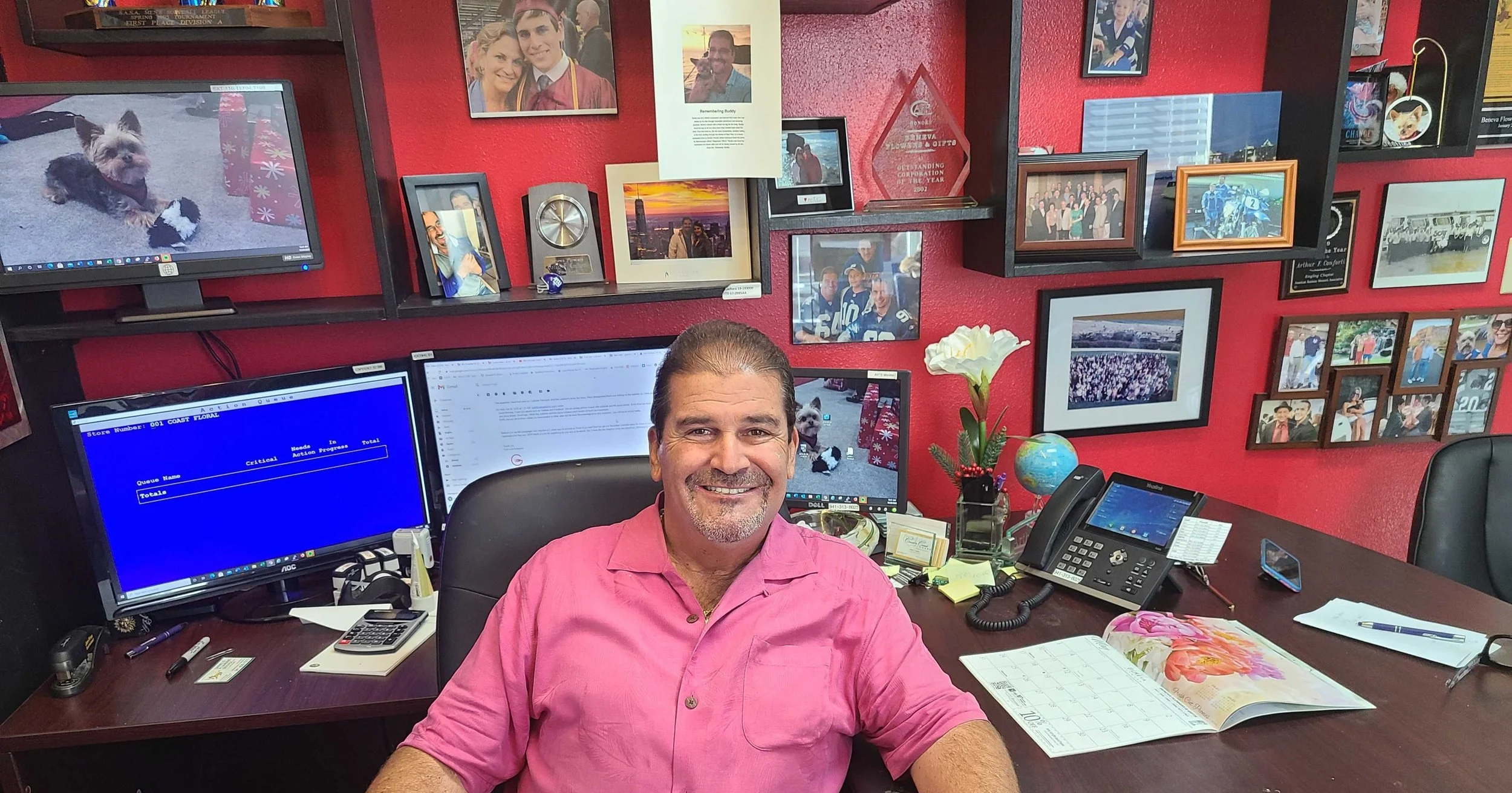
Art Conforti in his Sarasota office, surrounded by decades of memories and milestones from Beneva Flowers and Bloomerang Solutions — a lifetime dedicated to helping florists grow.
Economic slowdowns are nothing new to the floral industry — but surviving them requires more than trimming expenses or waiting for things to rebound. For veteran florist and industry innovator Art Conforti, downturns were often the moments that shaped his greatest breakthroughs.
“I’ve lived through every kind of slowdown you can imagine — recessions, 9/11, even hurricanes,” Art says. “Each time, I learned that the florists who stayed connected to their customers and adapted fast were the ones still standing when things turned around.”
The First Test: Building Beneva Flowers Through the Unknown
When Art launched Beneva Flowers in Sarasota, the world of retail floristry was still largely local and traditional. Orders came by phone or walk-in, and competition came from across town — not across the internet.
Then the economy slowed, and sales followed. “When orders dipped, most people’s first instinct was to pull back,” Art recalled. “Mine was to find out why.” That curiosity led him to explore early online marketing, customer retention programs, and reward systems — long before most florists had websites.
Those experiments became the foundation for Beneva’s reputation as one of America’s most forward-thinking shops. “It wasn’t about surviving the slowdown,” Art says. “It was about reinventing how we worked.”
Turning Setbacks Into Systems
Each time the economy shifted, Art treated it like a stress test. “You learn fast where the cracks are in your operation,” he explains. “Do you know where your sales are really coming from? Are you tracking what marketing works? Do you have relationships with your customers, or just transactions?”
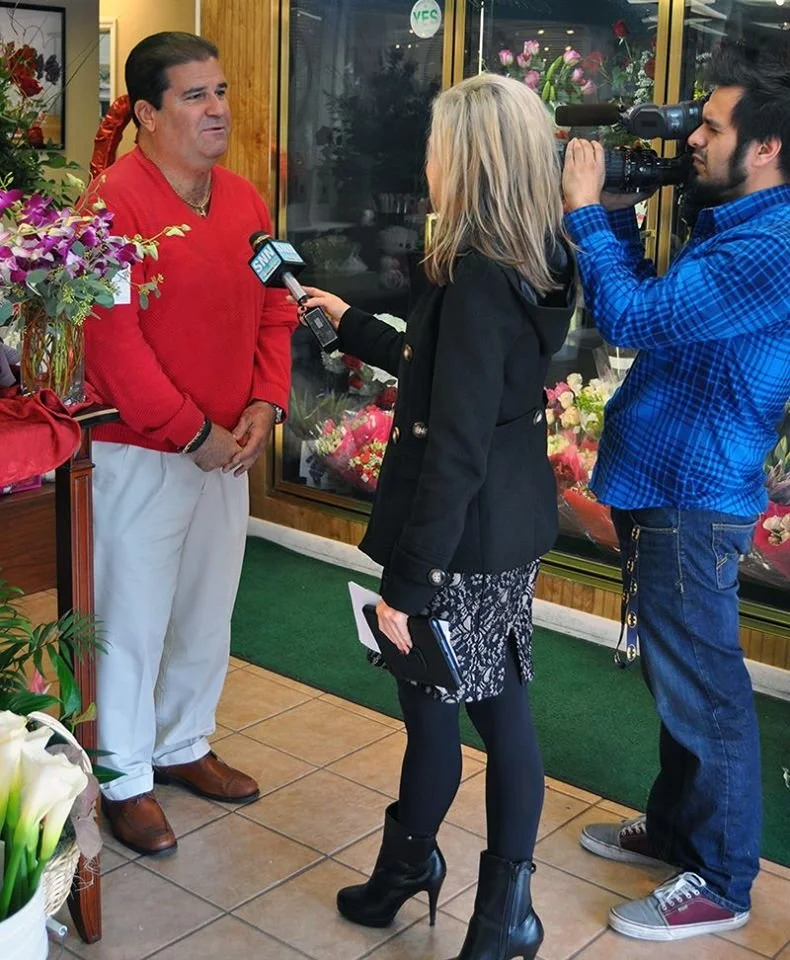
Art Conforti being interviewed inside Beneva Flowers, where he often shared insights on retail strategy and innovation during challenging economic times.
During the 2008 recession, when many shops struggled to stay open, Art doubled down on data. He introduced call tracking and web analytics to measure ROI in real time — systems that later evolved into Flower Manager and Flower Prodigy, two technologies that transformed the way florists managed online business.
“When money gets tight, you stop guessing,” Art says. “That’s when systems matter most.”
From Beneva to Bloomerang: Building for the Next Cycle
After selling Beneva Flowers and transitioning to Bloomerang Solutions, Art continued helping florists grow — this time by teaching others how to combine creativity with data-driven strategy.
“Florists often think slow periods mean people stop buying flowers,” he says. “That’s not true. They just buy differently. They need reasons to buy — reminders, incentives, personal connections. Technology makes that possible, but the heart of it is still human.”
Bloomerang Solutions now helps florists nationwide with search optimization, AI-driven order tools, and seasonal marketing systems — all inspired by lessons Art learned firsthand during challenging times.
Q&A with Art
Q: You’ve been through several recessions and still managed to grow. What’s the mindset behind that?
A: You can’t treat slowdowns like temporary storms — you have to treat them like training. Every one of them forced me to improve. When I couldn’t outspend competitors, I had to outthink them. That’s when innovation happens.
Q: How can florists prepare right now for the next slowdown?
A: Build relationships, not just customers. Track everything — your calls, your orders, your website clicks — so you know what works. And don’t wait for a crisis to try new ideas. Experiment when things are good so you’re ready when they’re not.
The Future Is Still Bright
Art believes the next great leap for florists will come from technology — specifically, the smart use of AI and automation to handle order taking, marketing, and customer follow-up. “You can’t replace the artistry of a florist,” he says. “But you can make sure your systems work as hard as you do.”
Even as the floral industry faces new challenges — higher costs, online competition, and staffing shortages — Art remains optimistic. “People will always send flowers. The only question is: Will they send them from your shop? If you’re ready, the answer is yes.”
He smiles, the same way he did after every past challenge. “Slowdowns don’t end businesses,” he says. “Inaction does. And I’m always here to help florists take that next step.”